Trump Orders Data Centers to Return Surplus Power to Local Grids
A new federal directive would require AI facilities to generate their own electricity and share any excess with nearby communities.
By Natalia Campos ·
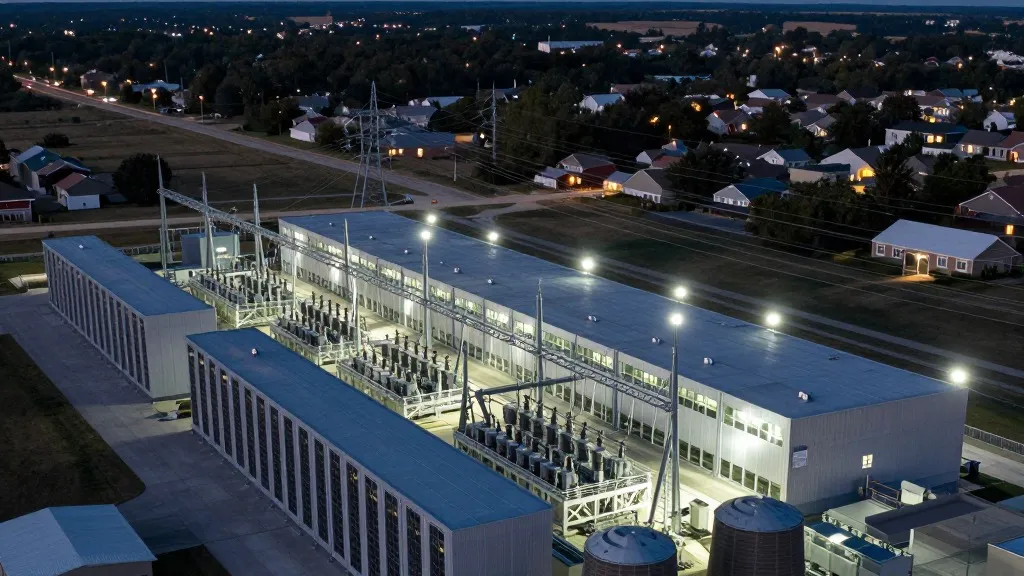
President Donald Trump has directed that future artificial intelligence data centers be required to generate their own power and channel any surplus energy back to local communities. The announcement came Wednesday via a post on Truth Social, outlining a policy intended to counteract rising electricity costs for residents living near large-scale computing facilities.
The administration is framing this requirement as a financial dividend to the public. The goal is to alleviate the financial burden placed on households due to the expansion of AI infrastructure, potentially reducing or stabilizing utility rates in affected areas. The directive builds upon previous orders that mandate these companies procure their own energy supplies.
Local municipalities across the Midwest and the nation have increasingly voiced opposition to proposed data center projects. Residents have cited a range of concerns, including noise pollution, water shortages, air quality degradation, deforestation, and significant increases in electricity prices.
To address these grievances, the White House is looking to incentivize cooperation between tech giants and the towns that host them. The administration is simultaneously seeking to maintain a competitive edge over China in the ongoing race for AI dominance.
In his statement, Trump suggested that financial arrangements can alter the dynamic between technology companies and residents. “Data Centers that were highly unpopular in certain areas have become extremely popular when a financial deal is struck,” he wrote, concluding with the directive: “MAKE DEALS, and get them built!!!”
The practical application of this order remains under development. Given the focus on energy distribution, any surplus power generated by these facilities could be utilized to subsidize residential utility bills.
Recent legislation has also established that data centers are responsible for covering the costs associated with grid upgrades, ensuring that infrastructure improvements are not funded through local tax dollars. This policy is intended to prevent taxpayer money from subsidizing private infrastructure expansion.
Whether these financial mechanisms will satisfy local residents is still uncertain. The economic component represents only one aspect of the broader issue facing communities.
Significant environmental and logistical hurdles continue to complicate the siting of AI data centers. These facilities require enormous amounts of water and can cause ecological damage, making approval for such projects difficult to obtain in many regions.
Source: Tom's Hardware